The dentist appointment, the form due back before Friday, the shoe size that changed again, the present for Saturday's birthday. None of it is difficult.
What weighs is that all of it lives in the same head.
What weighs in a household isn't the task
The idea that best describes this has a precise origin. French sociologist Monique Haicault gave it its conceptual shape in 1984, in an article titled La gestion ordinaire de la vie en deux, published in Sociologie du travail, based on research into domestic work.
What she described isn't the sum of household chores. It's the organizing work around them: planning ahead, anticipating, coordinating, remembering. Work that leaves no trace, precisely because it produces nothing you can point to.
Hence a familiar asymmetry in households. One person carries out a task when asked; another spends their time knowing what there is to ask for. The two don't cost the same.
Make it visible before sharing it
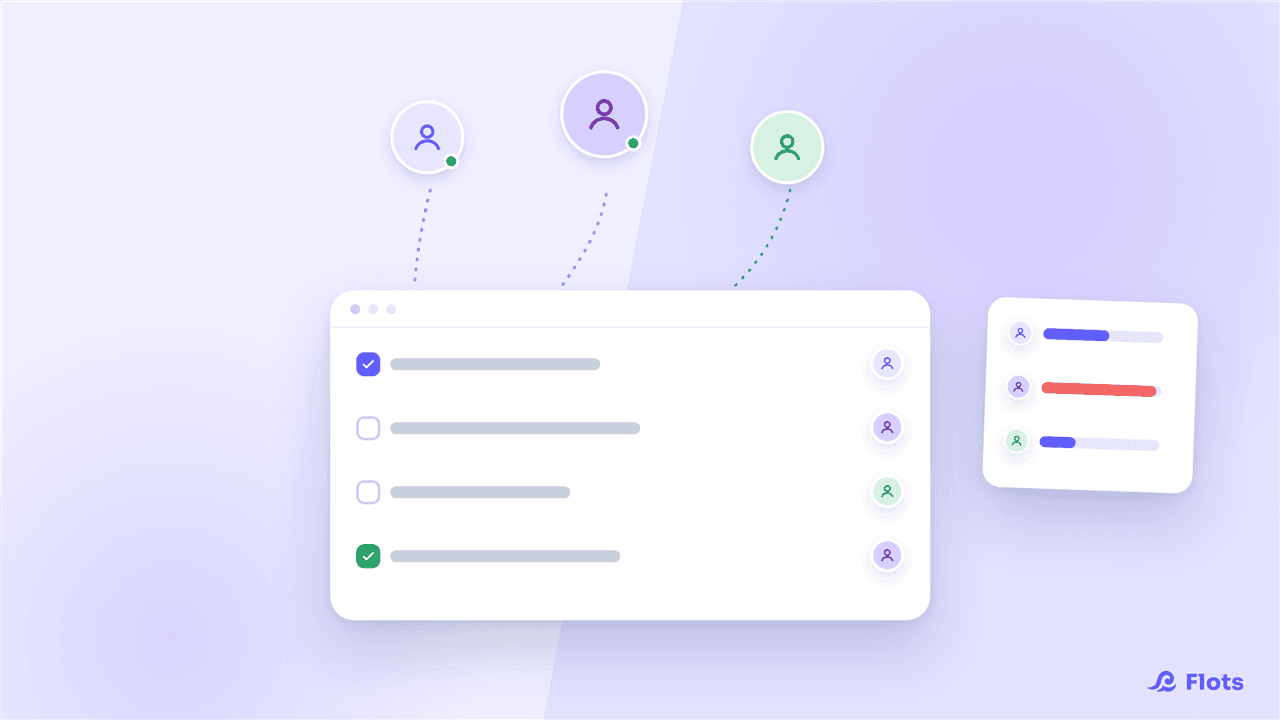
As long as that anticipating work sits in one head, it can't be shared. It gets delegated case by case, which means still tracking everything in order to know what to delegate.
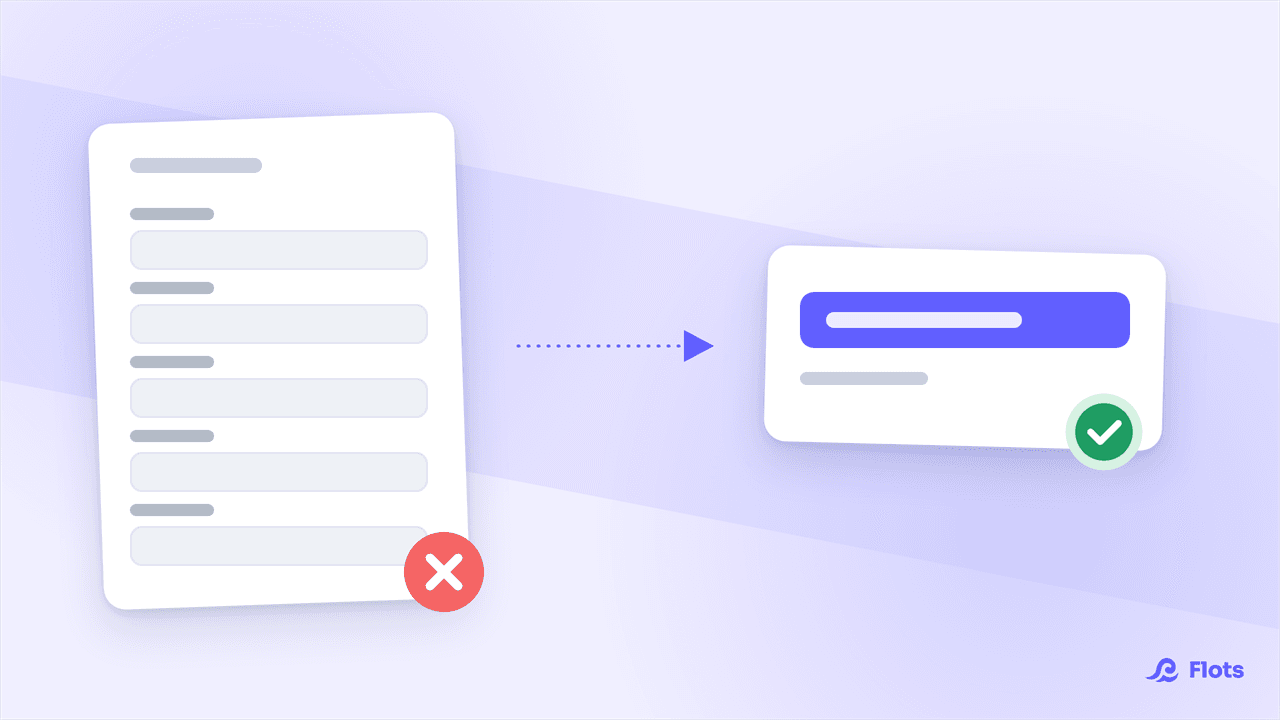
So the first useful move isn't better task-sharing, it's getting the list out. A registration to send back, written somewhere everyone looks, stops belonging to whoever thought of it.
It's a modest change on the face of it, and it shifts the load.
What to bring together, at minimum
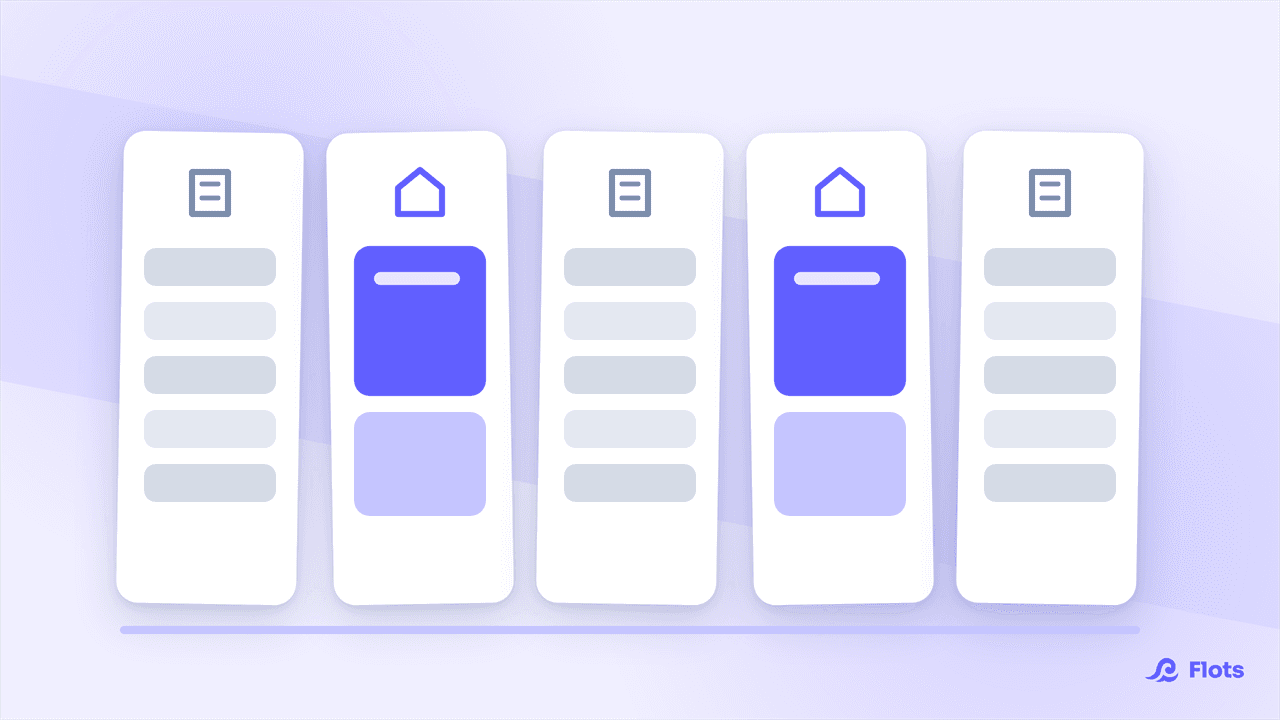
Appointments. Doctor, activities, school meetings, shared custody. They have a date, so a calendar covers them.
Tasks without dates. This is the heaviest and most overlooked part. Replacing things, filling in a file, booking an appointment. Nothing forces you to do them today, and that's exactly the problem.
Deadlines that come back. Insurance, subscriptions, inspections, annual registrations. These should never rest on memory.
Documents. Prescriptions, certificates, proof of address. Photographed at the right moment, they save rummaging through a drawer six months later.
A shared calendar alone covers only the first point. Which is why it almost never suffices.
How to use it in practice
In Flots, the calendar is built in and syncs with Google Calendar, so appointments already recorded don't need retyping. Hours are set once.
Tasks take everything without a time. A title is enough to create one, which matters when you're jotting something down in a school corridor. Categories keep children, house and paperwork apart, without mixing them into work. Recurrence settles annual deadlines once and for all.
For anything that means progressing together on one subject, a move, a holiday, building work, projects bring tasks, notes and stages into one place, with assignment and sharing.
Documents are imported as photos or PDFs and filed into folders, viewable without downloading.
The trap of dedicated tools
There are apps built solely for families. They're often pleasant, and they create a problem: one more tool.
If your work tasks live elsewhere, you're maintaining two systems, with two places to check in the morning and two chances to forget. And organizing load doesn't split neatly between professional and personal life. The 4 p.m. appointment lands in the middle of a working day.
Bringing both into one tool, separated by categories, usually costs less than keeping them apart.
The check-in that holds it together
Fifteen minutes on Sunday evening, between two people, is enough to see the week ahead: what's already booked, what's missing, who does what.
It's the only genuinely necessary ritual. Without it, the shared list degrades and everyone reverts to their own version of things. The Planning view makes that moment quick, showing the week and the still-unscheduled tasks side by side.
An organized family isn't one that does more. It's one where anticipating no longer rests on a single person.
Get the household out of one person's head.
Calendar, tasks, recurring deadlines and shared documents, all in one place.