For a few months, I'd had an idea in mind: an app that would handle both my notes and my tasks, a kind of small personal assistant. Nothing revolutionary, just a tool that was truly simple, highly customizable, and accessible everywhere, from phone to computer. And why not add a bit of artificial intelligence to lend a hand day to day.
I laid the first groundwork during the Toussaint break in autumn 2024. Then other projects, one too many exams, and the end-of-year holidays let the sketch gather dust for a few months, before I finally picked the work back up. Here's the behind-the-scenes story of the project: from the first idea to the first versions of the app.
Quick introduction: I'm Erwan, an engineering student in Strasbourg, passionate about artificial intelligence and co-founder of Flots. Building apps wasn't part of my coursework: I got into it almost by chance, through a freelance mission, and I loved it. After a few months working on other people's projects, I told myself that launching my own app would be a great playground to learn.
The original idea
It all started from something I noticed last summer: I didn't know of a single app able to handle my schedule and my tasks in a truly flexible way, while also storing my personal notes and making them easy to find again.
I noticed that a lot of people (myself included) send themselves messages just to not forget things, or jot everything down haphazardly in their phone's notes app. Tools like Notion or Obsidian already exist and do a good job, but they demand a real learning curve before you feel at ease with them. Flots takes the opposite approach: offer fewer features, but make them pleasant and obvious to use every day.
Design first, everything else after
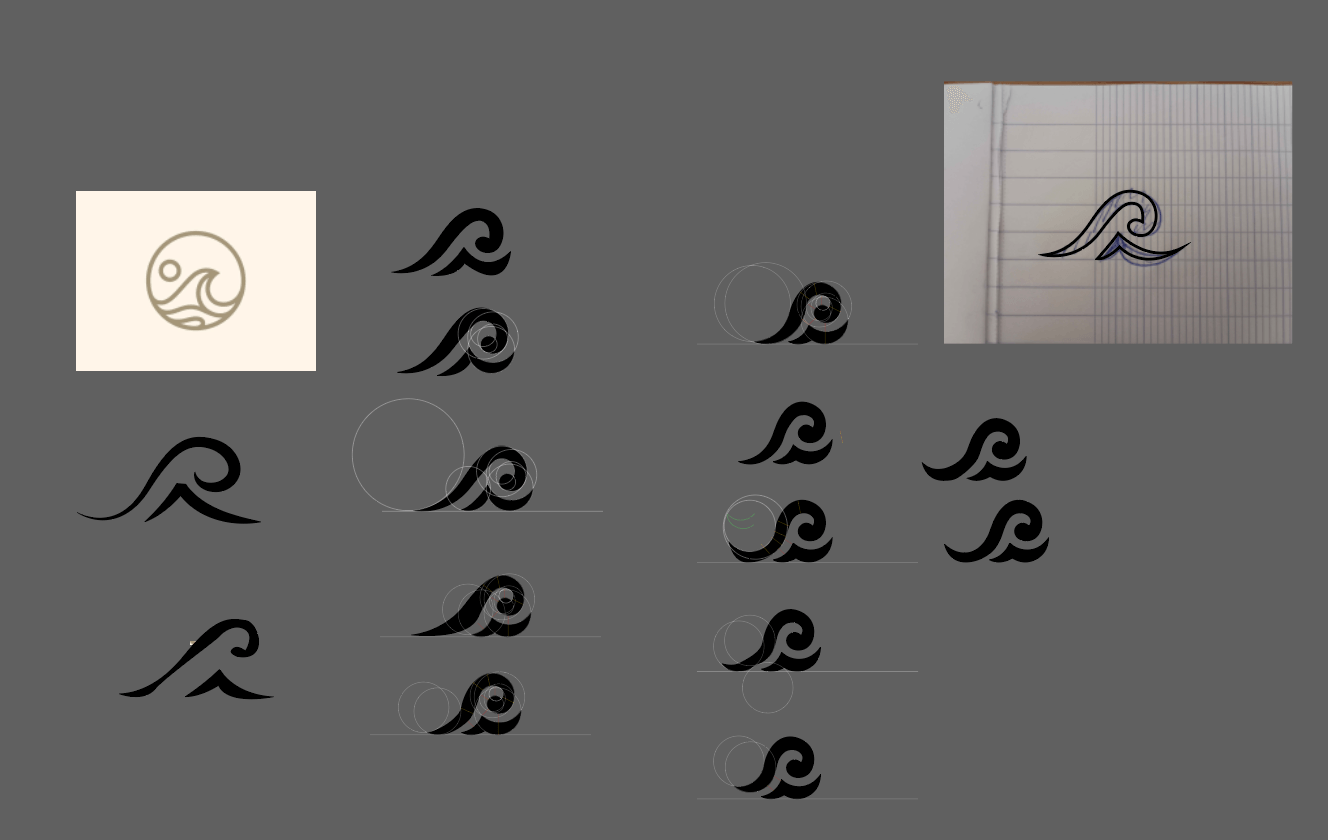
Like a good engineer, I like to start with... design! That's fairly rare for our species, but it's very useful for knowing where you're headed. So I started by sketching out a couple of logo ideas, then drew a first mockup to figure out where to place notes and tasks on screen.
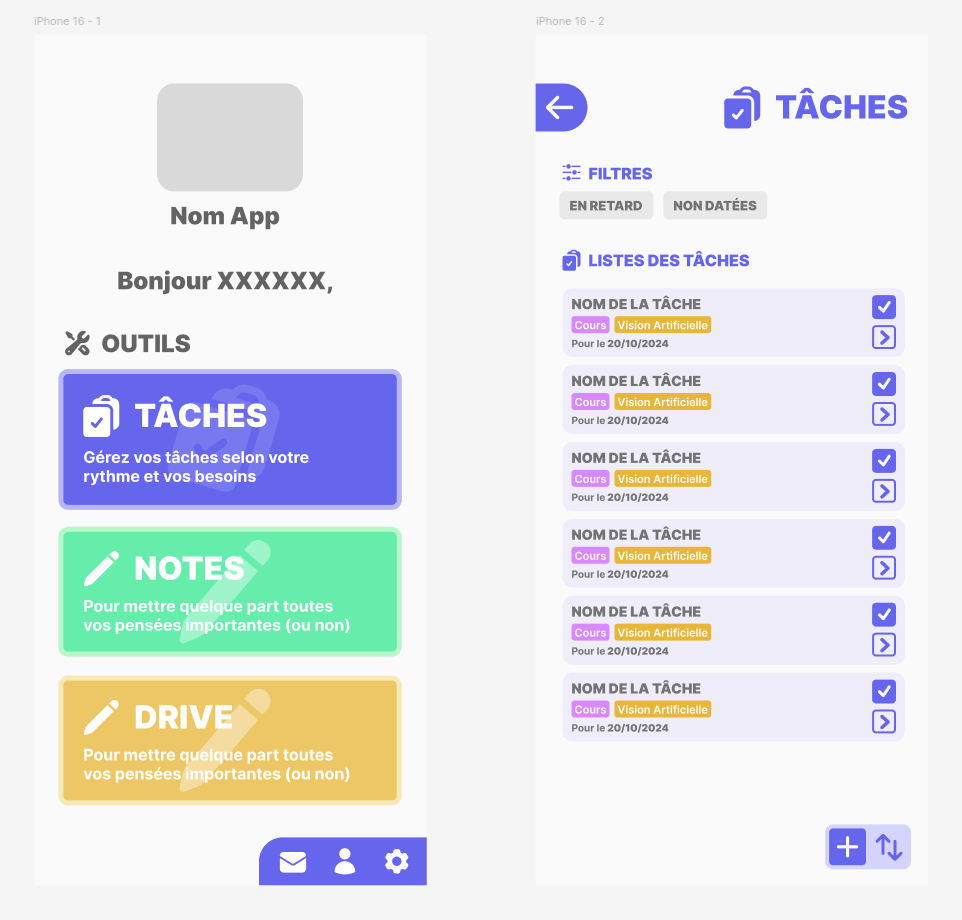
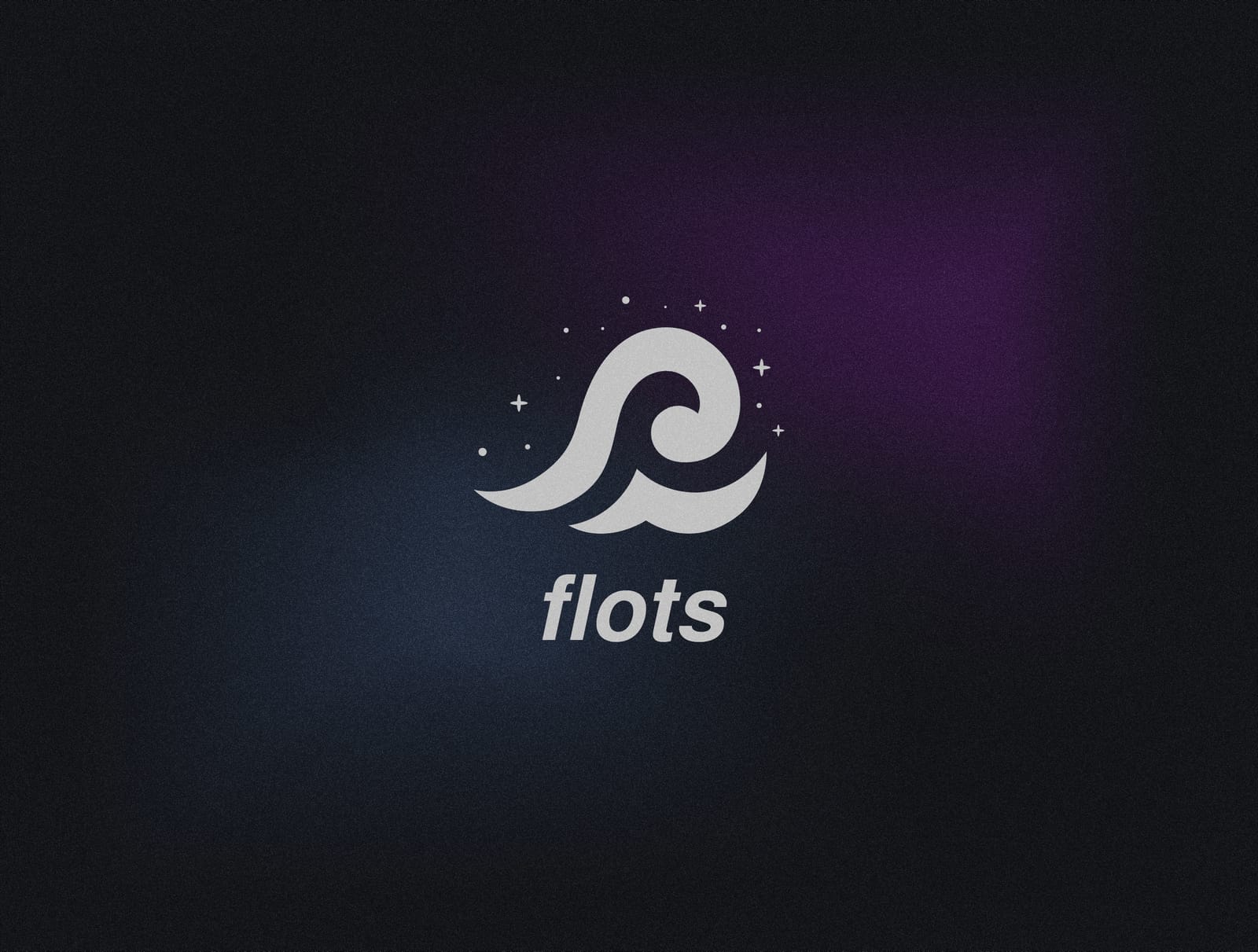
That version didn't last long, but it got the machine running. The name "Flots" came to me on a whim: it sounded like flow (being in your element), and it rolls off the tongue nicely. All that was left was to give it a logo worthy of it: a nice wave. So I spent two full days wrestling with circles to get something clean, that would look good both up close and from a distance. Result: I hate circles, but I'm rather proud of the final result.
A weekend in Paris to get started
During the Toussaint break, with Sylvain Brocas, who wanted to be part of the project from the start, we took two days to meet up in Paris and finally get to work. It's always more motivating to give a project something concrete. After a few hours at the library, here's my big smile the moment the app finally launched on my phone:
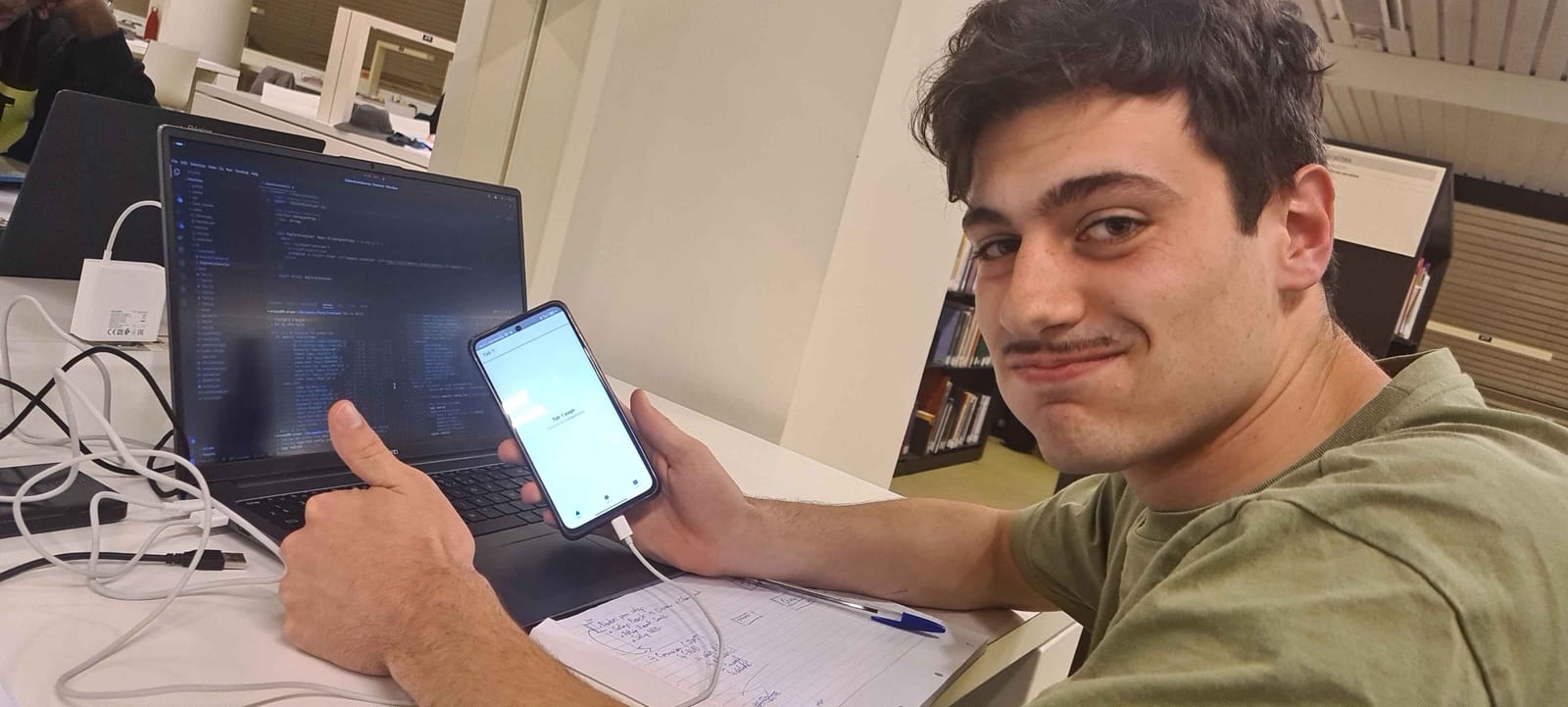
Funny story: the next morning, after 45 minutes on the metro, we found ourselves standing in front of a library door... that was closed. It was a public holiday, and every library in the Paris region was closed too. The best we could do was settle into a park to keep working, on the one day the temperature had dropped sharply of course, wandering from café to café to warm up and recharge our laptops. Launching a project in the cold and the fog, on a park bench: that's exactly the image that comes to mind with this article, and a memory we're not about to forget.
Those two days let us lay solid groundwork for what came next.
A message that changed everything
At first, I wanted to build everything myself, from scratch. It's a great way to learn, but by sharing my progress with other enthusiasts on Eos's Discord, someone made me realize something important: when you try to reinvent everything alone, you end up patching things together, and you let problems slip through unnoticed, security issues especially.
So I made a decision that cost me a few weeks: start over, but properly this time, on solid, proven foundations. Frustrating in the moment, but so much healthier afterward. We also took the opportunity to adopt good team habits, like reviewing each other's work before validating any change. A bit slower to get going, but it saves us a lot of trouble down the line.
A bit of artificial intelligence to sort out notes
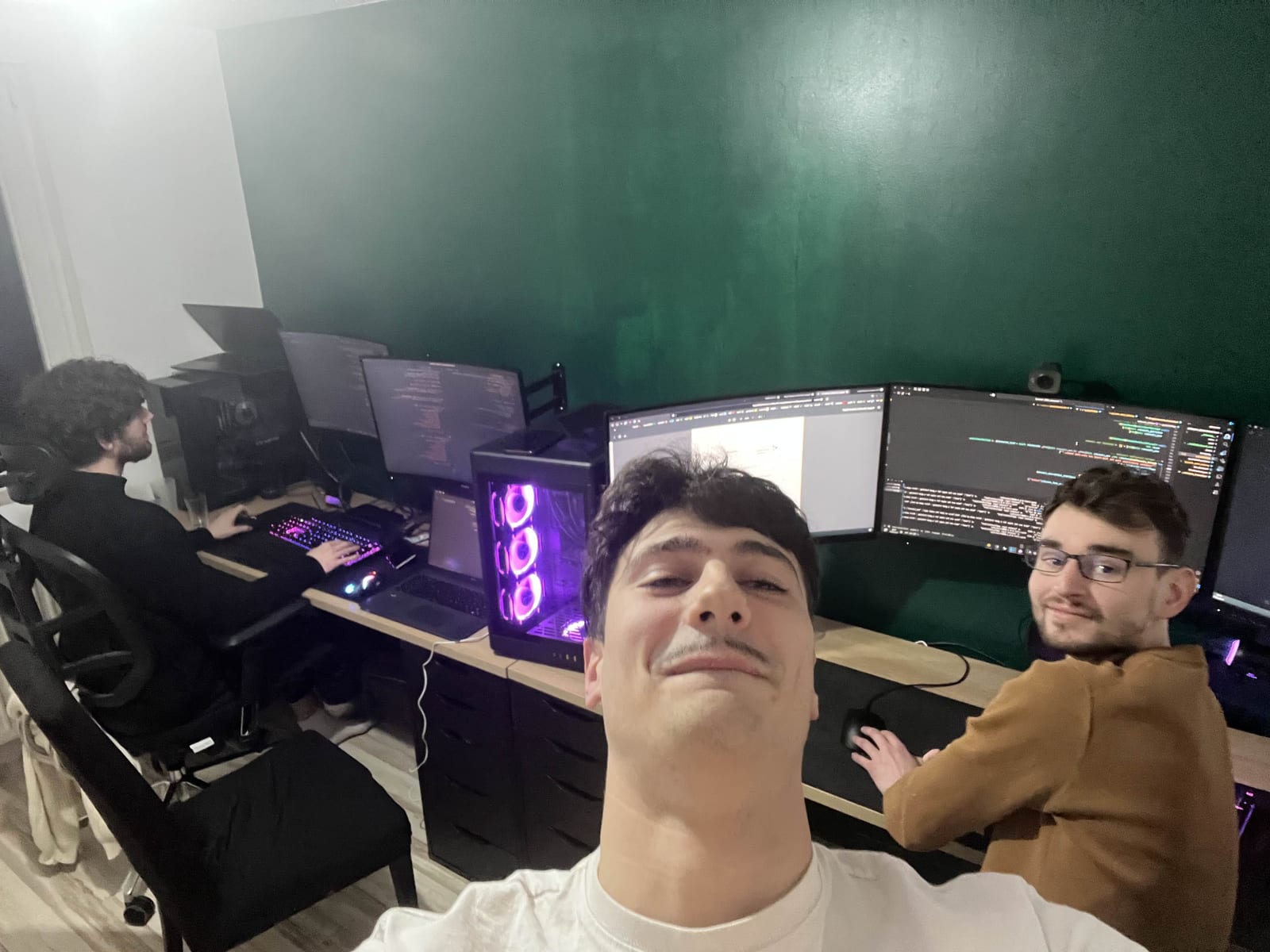
One of the original ideas was for the app to guess the category of a note on its own as you write it (an idea, a shopping list, meeting minutes...). The stars aligned: a course at my school happened to require a project of exactly that kind. I brought in Nathan Wurpillot, my usual partner, and we got started.
First obstacle: for an AI to learn to recognize a type of note, it needs a lot of examples. So we ran a small survey among people around us, asking everyone to sort their own notes. In two days, we got about a hundred responses — still too few. Luckily, ChatGPT turned out to be very good at inventing plenty of realistic additional notes based on our examples.
Result: our assistant guesses the right category roughly three times out of four. Not perfect, but plenty good enough, since it only ever suggests a category: you always have the final word. And if you create your own categories, it can adapt to those too. Flexible enough to fit everyone's needs.
Tasks, where things get interesting
Creating a note is simple: a title, some content, a few categories. Tasks, on the other hand, needed more thought. Florian Lollivier, a big fan of this kind of tool, helped us work out the concepts, in particular the distinction between one-off tasks and "habits" — tasks that come back every day, every week, or every month.
The key point is how to handle an overdue task. A recurring task has to show up at the right time, but if you don't do it in time, it must not just disappear on its own. Example: cleaning every Tuesday and Thursday. If you forget on Tuesday, the task has to stay clearly visible and flagged as overdue until it's done: it's up to you, and only you, to mark it complete. A small detail on the surface, but essential so nothing slips through the cracks.
Good news on the team side: Adrien Jayat joined the project for the long run. With his experience, he took charge of the whole technical organization behind the scenes, so we could all work together easily without stepping on each other's toes. A real comfort day to day.
What's next?
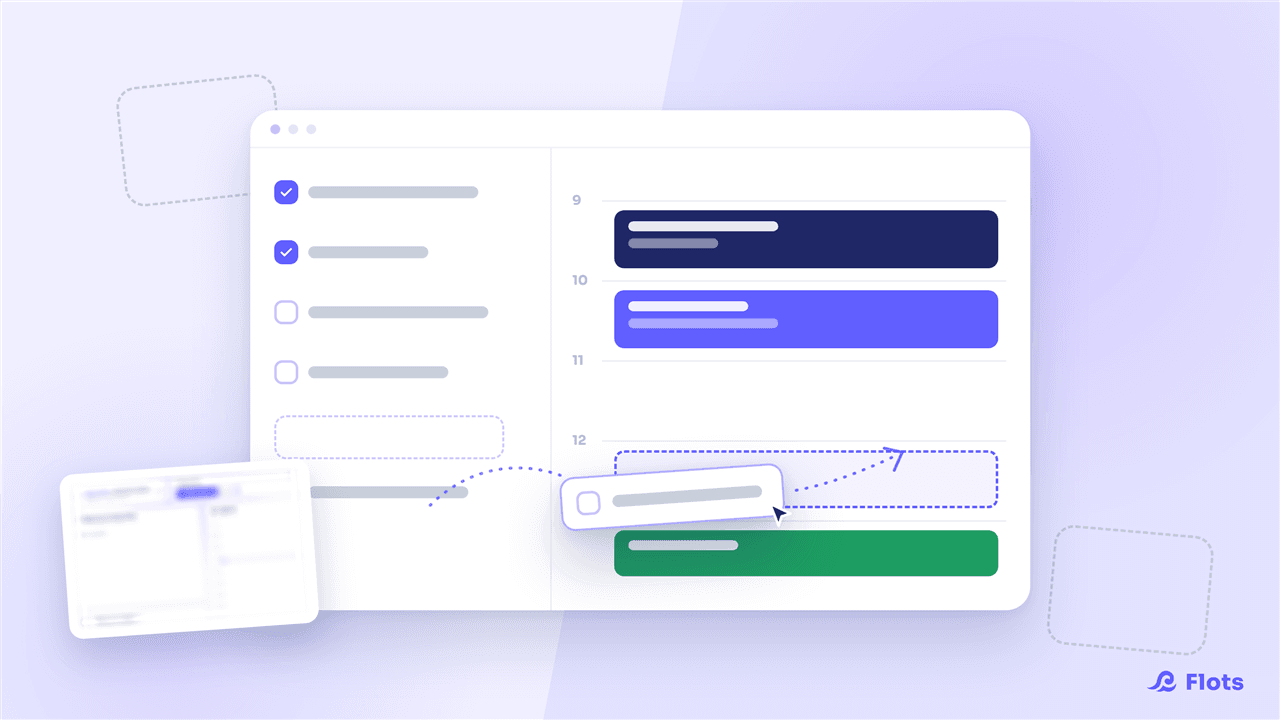
The next big undertaking is rethinking the design to make the app truly enjoyable to use and give it a style that's really our own. After that, we'll need to polish how tasks and reminders are displayed, on both computer and phone, and the link with your calendar.
Thanks for reading this far. I'm really happy to have been able to share the story of this project's beginnings. A big thank you to everyone taking part, near or far, in this adventure — those who got their hands dirty and those who simply shared their thoughts.
Article adapted from Erwan Coubret's original account, published on Eos.